What Happens If You Fail Your Bond Inspection (And How To Avoid It)
Moving out of a rental property is stressful enough without the added anxiety of not knowing whether you'll get your bond back in full. For many tenants, particularly those going through the process for the first time, the bond inspection can feel like a mystery. You've cleaned, you've packed, you've handed back the keys, and then you wait. If the property manager finds issues, the consequences can range from a simple re-clean request to a formal dispute that holds up your deposit for weeks.
Bond cleaning in Rockhampton is one of the most common services renters turn to when they want to take the uncertainty out of that process — and with good reason. Understanding what actually happens if you fail a bond inspection, and what end of lease inspection tips can help you avoid it, puts you in a much stronger position as you approach the end of your lease.
What a Property Manager Is Actually Looking for During a Bond Inspection
A bond inspection isn't a casual walk-through. It's a structured assessment of the property's condition against the entry condition report completed at the start of the tenancy. The property manager's job is to identify any deterioration beyond what's considered fair wear and tear, and to document it with enough detail to support a claim against the bond if necessary. Fair wear and tear covers the gradual, unavoidable decline that comes from normal use of the property over time, such as minor scuffs on walls, small marks on carpet from furniture legs, slight fading on surfaces exposed to sunlight. Damage or neglect falls into a different category entirely.
The inspection typically proceeds room by room, following the structure of the entry condition report. Areas that receive the most scrutiny are those most likely to show the effects of daily use, like kitchens, bathrooms, carpeted areas and any outdoor spaces included in the lease. A property manager with a thorough approach will check inside appliances, behind fixtures and along skirting boards, not just the surfaces that are visible at a glance. Knowing how to pass a bond inspection starts with understanding this level of detail before the day arrives.
The Most Common Reasons Bond Inspections Fail
Across the bond inspection process, certain areas come up time and again as the source of disputes. These aren't obscure or difficult-to-anticipate issues, but rather the predictable result of the areas of a property that accumulate grime fastest or that tenants tend to overlook when cleaning themselves. Knowing what these areas are before you approach your inspection is one of the most practical end of lease inspection tips available.
The most frequently cited issues in failed bond inspections include:
- Oven and rangehood — baked-on grease and carbon build-up inside the oven cavity, on the oven door seal and on rangehood filters is one of the single most common reasons bonds are disputed
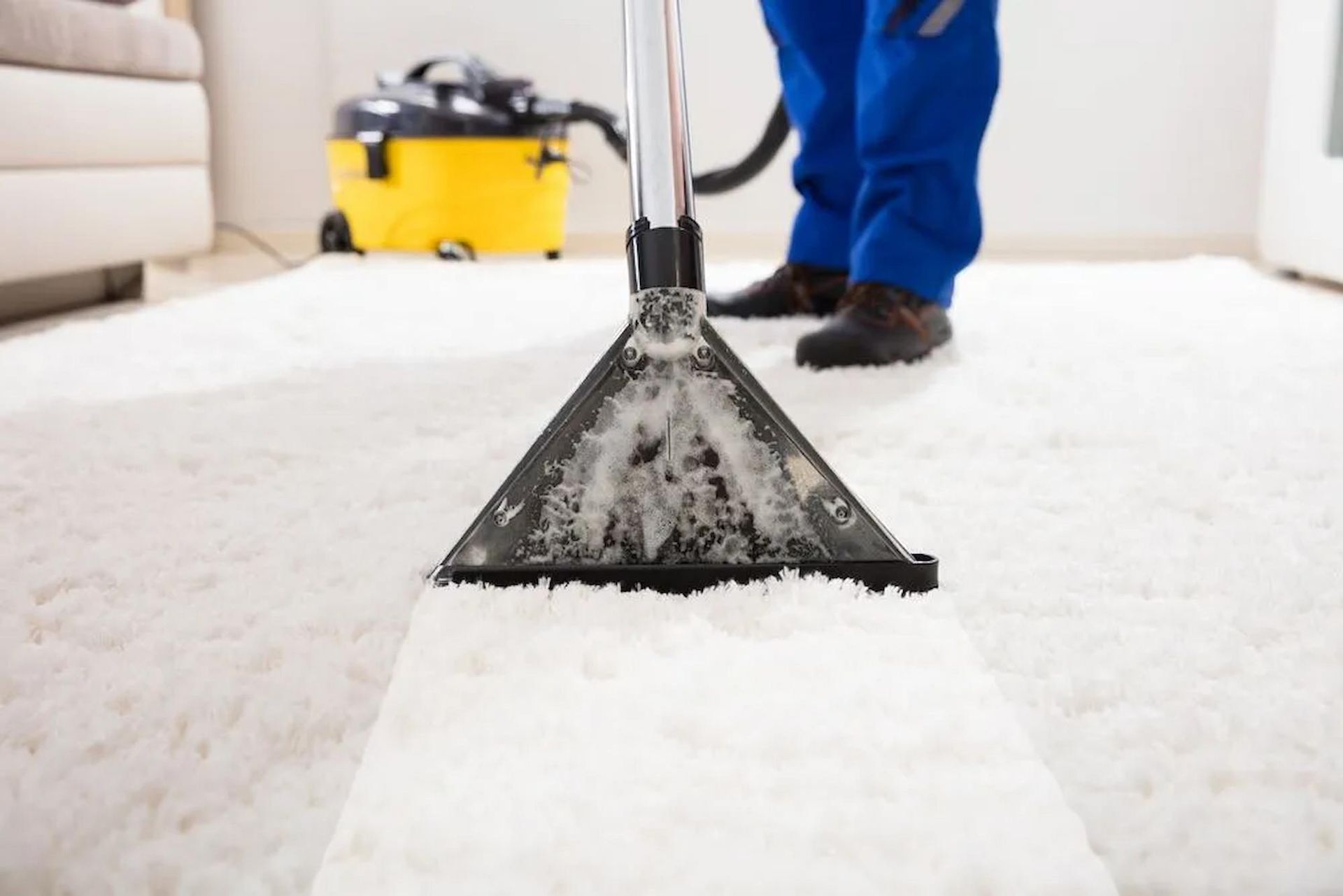
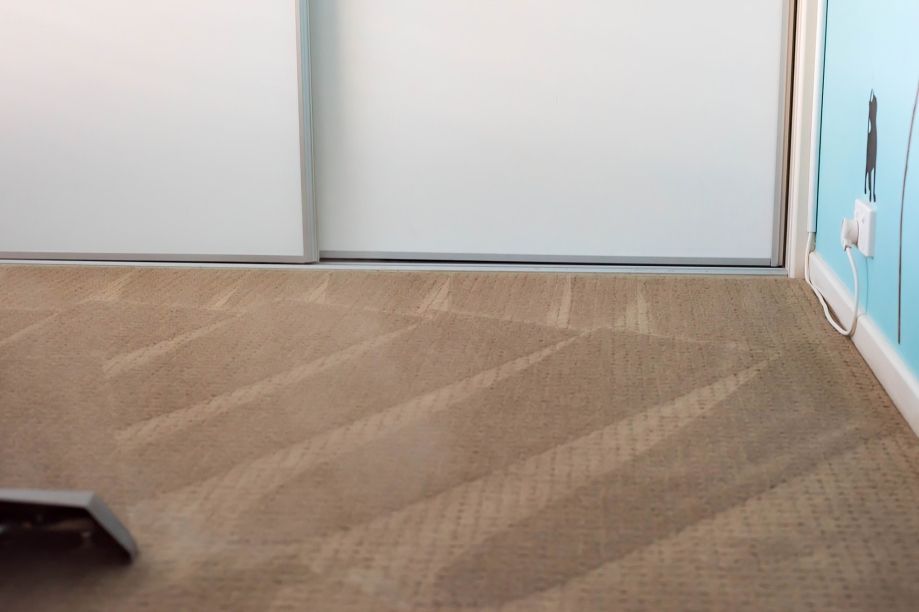
- Carpets — general soiling, staining or a failure to have carpets professionally cleaned where the tenancy agreement requires it
- Bathroom grout, tiles and shower screens — soap scum, mould growth in grout lines and hard water mineral build-up on glass and chrome fittings
- Skirting boards and door frames — dust and grime accumulation that's invisible at eye level but obvious to an inspector checking at close range
- Walls — scuff marks, handprints and minor damage that crosses from fair wear and tear into damage requiring remediation
- Windows and tracks — dirty glass, accumulated dust in tracks and degraded fly screens
What Actually Happens After a Failed Inspection
Understanding what happens if you fail a bond inspection helps remove some of the anxiety around the process. When a property manager identifies cleaning issues, they document them, typically with photos, and provide written notice to the tenant outlining what needs to be rectified. The tenant then has an opportunity to address those issues, either by returning to clean the areas themselves or by arranging for a cleaning service to attend.
If the issues are resolved to the property manager's satisfaction in a follow-up inspection, the bond is released and the matter is closed. If they're not resolved, or if the tenant disputes the property manager's assessment, the matter can be escalated to the relevant tenancy authority for dispute resolution. In Queensland, this means lodging a dispute with the Residential Tenancies Authority, which can result in a formal hearing if the parties can't reach agreement. The process takes time, adds stress and often costs more than the original cleaning issue would have if addressed correctly before the first inspection.
How Bond Dispute Cleaning Is Handled When the Matter Escalates
Bond dispute cleaning situations are among the most common tenancy disputes handled by the Residential Tenancies Authority in Queensland, and they follow a relatively predictable path. Once a dispute is lodged, both parties are given the opportunity to present their case — the property manager with documentation of the condition of the property and the tenant with any evidence supporting their position. The RTA may facilitate a conciliation call between the parties before the matter proceeds to a formal hearing.
In a bond dispute cleaning case, the evidence that tends to carry the most weight includes:
- The entry condition report from the start of the tenancy, which establishes the baseline condition the property needs to be returned to
- Photographic evidence of the property's condition at the time of inspection, taken by the property manager
- Any written guarantee or receipt from a professional cleaning service confirming what was cleaned and when
- Correspondence between the tenant and property manager during the tenancy that may be relevant to the condition of the property
Having professional cleaning documentation, particularly from a service that includes a guarantee and is prepared to return for a re-clean if required, provides tangible evidence that the cleaning obligation was taken seriously.
The Areas Tenants Most Often Underestimate When Cleaning Themselves
There's a significant difference between a thorough clean of a rental property and the kind of surface-level clean most people do at home. Rental properties are inspected against a standard that accounts for professional cleaning benchmarks, and areas that look clean to the naked eye at standing height can still fail an inspection when examined closely. This gap in expectation is one of the most consistent patterns seen in bond dispute cleaning cases — tenants who cleaned thoroughly by their own measure, but not to the standard the inspection requires.
The areas where DIY cleaning most consistently falls short include:
- Inside and behind the oven — the back corners of the oven cavity, the element covers and the area behind the drawer are frequently missed
- Exhaust fans — dust and grime accumulation inside exhaust fan covers in bathrooms and kitchens is often overlooked
- Blind slats and curtain tracks — these accumulate dust that becomes obvious when inspected at close range
- Light switches and power points — fingerprint marks and grime around switches are easy to miss during a general wipe-down
- Under and behind appliances — the floor space underneath the fridge, stove and dishwasher is a standard inspection point
- Ceiling fans — the top surface of fan blades collects dust that's invisible from below but immediately apparent to an inspector
Your Rights as a Tenant If You're Asked to Re-Clean
Receiving a notice that cleaning issues have been identified doesn't mean you've automatically lost part of your bond. Tenants in Queensland have clear rights throughout the bond return process, and understanding those rights is important before agreeing to any deduction or arranging additional cleaning under pressure. Knowing how to pass a bond inspection isn't just about cleaning, it's also about knowing when to push back if the assessment isn't fair.
If you receive a cleaning notice, a few things are worth confirming before you respond:
- Compare the specific items raised against the entry condition report — if the property was in the same condition at entry, the issue may not be your responsibility
- Ask for the photographic evidence the property manager is relying on, and compare it with any photos you took at the start or end of the tenancy
- Check whether the tenancy agreement specifies professional cleaning requirements — some agreements require carpets or the whole property to be professionally cleaned regardless of their condition
- Understand that agreeing to a deduction without dispute is generally final — once you sign a bond claim form, that agreement is difficult to reverse
What a Written Guarantee From a Bond Cleaner Actually Protects You From
A professional bond cleaning service that offers a written guarantee provides something a DIY clean cannot — a documented commitment to address any issues raised by the property manager within a specified period, at no additional cost. This guarantee is the practical safeguard that converts a professional clean from a service into a form of protection against what happens if you fail a bond inspection.
The scope of a bond cleaning guarantee matters and is worth confirming before booking. A comprehensive guarantee should cover:
- Return visits to address any cleaning items specifically identified in the property manager's inspection report
- A clear timeframe within which the re-clean will be completed — typically within 24 to 72 hours of notification
- The specific areas covered by the guarantee, which should align with the scope of the original clean
- The documentation provided after the clean, which can be used as evidence in a bond dispute if one arises
A guarantee that's limited in scope or attached to conditions that are difficult to meet in practice provides less protection than it appears to on paper, which is why reading the terms before booking is worth the extra minute.
A Bond Inspection Checklist Closes the Gap Between Clean and Inspection-Ready
The difference between a property that passes a bond inspection and one that doesn't often comes down to the items on a thorough bond inspection checklist that a tenant didn't know to include. A professional bond clean works to a checklist aligned with what property managers are actually looking for, not a general cleaning routine applied to a vacated property. Using a comprehensive bond inspection checklist before your final walk-through, whether you're cleaning yourself or booking a professional, changes what you're working toward.
A thorough checklist covers every room in the property across several categories:
- Kitchen — oven interior and exterior, rangehood filters, stovetop, splashback, cupboard interiors and bench surfaces
- Bathrooms — shower screens, grout lines, toilet including the base and behind the cistern, vanity and mirror
- Living and bedroom areas — carpets, skirting boards, window sills and tracks, light fittings and ceiling fans
- Outdoor areas — paths, patios, garden maintenance if included in the lease and any outbuildings or garages
- Throughout — light switches, power points, door handles and frames, walls and any marks requiring touch-up
Book Your End of Lease Clean With Confidence
At TCM Cleaning & Maintenance Services, we provide bond cleaning across Rockhampton and the surrounding area for tenants who want their inspection handled properly the first time. Rockhampton's rental market moves quickly, and property managers in the region apply consistent standards to bond inspections, which is exactly why a thorough, documented clean gives you the strongest possible position going into your inspection. Our bond cleaning in Rockhampton service follows a comprehensive bond inspection checklist aligned with what local property managers are looking for, and we back our work with a written guarantee that covers a return visit if any cleaning items are raised after the inspection. If you're approaching the end of your lease and want to take the uncertainty out of the bond return process, get in touch with our team to book your clean — we'll make sure the property is inspection-ready before your property manager arrives.